
The double helix DNA
A discovery that shook the scientific world.
Scientific context
Source : da-kuk/E+/Getty Images
At the beginning of the 20th century, the nature of heredity remained mysterious. Scientists knew that genes existed, but their molecular basis was unknown. Some believed that proteins, being more complex, carried genetic information. It was in this context that the double helix structure emerged.
The discovery of the double helix
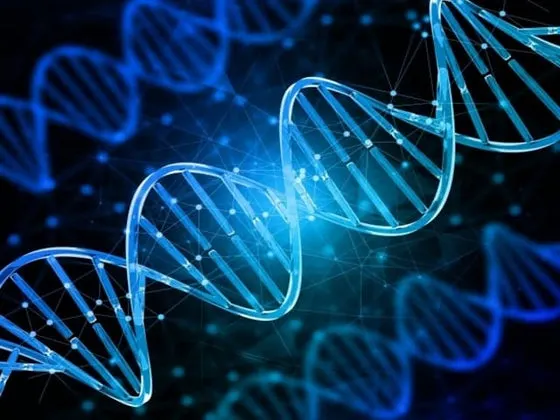
Source : health.harvard.edu "Genetic testing to predict medication side effects"
In 1953, James Watson and Francis Crick, relying on the work of Rosalind Franklin, proposed the model of the DNA double helix. This structure showed that genetic information is coded by the sequence of bases (A, T, G, C) and that two complementary strands pair in a precise manner.
The discovery was a true revolution, as it explained not only the transmission of genetic information but also its replication mechanism.
Impact and changes in science
The discovery of the double helix revolutionized biology and opened the way to a new scientific era: molecular biology. Researchers could now understand how genes function, replicate, and are transmitted. This allowed the shift from a descriptive science of life to a mechanistic and explanatory science.

See More :

CineMatilda
A gallery of films and series dedicated to forgotten women in science.